






-
Cream ice and ice cream are the same dessert. Word order changed. Recipe didn't.
- First documented at King Charles II's table in 1671 — a luxury because clean ice was nearly impossible to obtain.
- What makes ice cream smooth vs. grainy isn't the cream content. It's how fast and evenly it froze.
- If you see "cream ice" in a recipe, proceed exactly as you would with ice cream.
Listen to an audio explainer
Is Cream Ice the Same as Ice Cream?
Yes. Same dessert. Different word order.
"Cream ice" was the term used at King Charles II's royal table in 1671 — documented by Elias Ashmole at a Windsor Castle feast, where iced cream appeared exclusively at the king's table while guests received ordinary strawberries and cream. Both "cream ice" and "ice cream" coexisted in British texts for the next two centuries before "ice cream" became the globally dominant form, primarily through American usage.
If you're cooking from an old recipe: cream ice is ice cream. Proceed as written.
Why the Ice — Not the Cream — Made It a Royal Luxury
Cream was available to anyone. What wasn't available unless you were wealthy: ice that was clean, consistent, and cold enough to freeze a cream mixture without introducing gritty crystals or off-flavors.
The faster and more evenly a cream mixture freezes, the smaller the ice crystals that form inside it. Smaller crystals = smooth texture. Larger crystals, from slow or uneven freezing, = that slightly grainy mouthfeel that signals cheap ice cream.
Charles II's cook had access to carefully harvested, managed ice. That's why his cream ice was smooth. The physics haven't changed since 1671.
Quick Poll
When you think about what makes ice cream taste "premium," what comes to mind first?
- Higher cream content
- Better flavoring / natural ingredients
- Lower air content (density)
- I've never really thought about the ice itself
The answer has everything to do with ice — which is why artisan ice cream tastes different from the grocery store version. It's not marketing. It's physics.

What Makes Ice Cream Smooth or Grainy? The 3 Variables
- Freezing speed. Faster = smaller crystals = smoother. This is why professional equipment costs thousands, and why home-frozen ice cream often has a slightly coarser texture.
- Air incorporation (overrun). Premium ice cream: 20–50% overrun. Economy ice cream: up to 100% — you're buying half air. Historical cream ice: zero overrun. Dense, cold, intensely flavored.
- Ice quality in contact. Uneven temperature during freezing creates uneven crystal formation. The ice surrounding the mixture is part of the recipe. It always has been.
Why Ice Quality Is the Real Difference in Premium Ice Cream
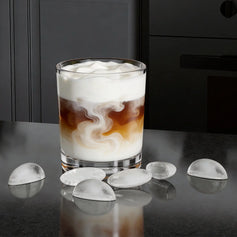
Cloudy home-freezer ice traps air and minerals as it freezes from all directions at once. Those impurities affect both flavor and freeze rate when ice contacts food.
Clear ice — made through directional freezing that pushes impurities out — transfers cold more evenly and doesn't introduce off-flavors. If you're making frozen desserts at home, the ice is part of the recipe.
Ice Cream vs. Frozen Dairy Dessert: Is There a Difference?
Yes — but it's regulatory, not historical. In the US, "ice cream" requires at least 10% milkfat and compliance with overrun limits. Products below that threshold use terms like "frozen dairy dessert." This has nothing to do with the historical "cream ice" naming. It's a labeling rule.
FAQs
1. Is cream ice the same as ice cream?
Yes. Same recipe, same process. "Cream ice" is the historical term that coexisted with "ice cream" in British texts before the latter became globally dominant.
2. Why is it called "cream ice" in some old recipes?
Victorian-era British cookbooks — including Agnes Marshall's The Book of Ices (1885) — used "cream ice" as standard terminology. Treat it as ice cream and follow the recipe as written.
3. What is "frozen dairy dessert" vs. "ice cream"?
A US regulatory distinction. "Ice cream" requires minimum 10% milkfat. Products below that threshold must use different labeling. No connection to the historical "cream ice" naming.


