


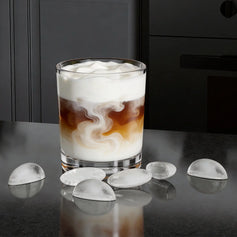
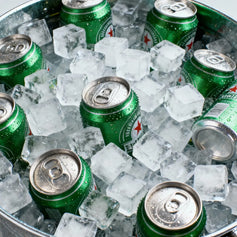




Production, storage, and real ice needs are different. The right starting point is the moment you use the most ice—not household or guest count alone.
How much ice must already be waiting when your busiest window begins—and can the machine make more before it runs out?
Listen to an audio explainer
A 25 lbs/day ice maker does not mean 25 pounds of ice will be waiting when your guests arrive.
That number describes how much ice the machine can produce over 24 hours under stated conditions. It does not tell you how much the machine can hold, how much ice will be ready at one time, or whether it can replace ice fast enough during your busiest hour.
There is no dependable ice maker size based on household or guest count alone. Twenty people drinking iced tea use ice very differently from twenty people ordering shaken cocktails or filling a cooler.
In short
Production is not storage, and storage is not always the amount of ice ready to use.
The Quick Answer: Choose for Your Busiest Ice Window
Start with the way you actually use ice, not the largest production number that fits your space.| If you mainly use ice for… | Focus on… | Practical direction |
|---|---|---|
| Everyday drinks, iced coffee, and water bottles | The amount normally ready and when you tend to run out | Observe several normal days before comparing machines |
| A home bar or regular weekend entertaining | A full supply before guests arrive and recovery between rounds | Plan around your most ice-intensive drinks, not guest count alone |
| A few large parties each year | Whether you can prepare, freeze, or buy extra ice | Do not automatically size permanent equipment for a rare maximum |
| Coolers, pool parties, or food chilling | The large quantity removed at once | Count these uses separately from ice served in drinks |
| A café, bar, or restaurant | The busiest full day and busiest service window | Check daily production and peak-ready storage as separate needs |
Production, Storage, and Ready Ice Answer Different Questions

“Pounds per day” is a production rating. Commercial equipment standards express harvest rate as the amount of ice produced over 24 hours. It is a useful capacity indicator, but it is not the amount stored inside the machine. ENERGY STAR ↗
Imagine a machine rated at 25 lbs/day with a much smaller storage area. It may approach its daily rating only when ice is removed throughout the day so it can keep cycling. Once the bin reaches its shutoff level, production pauses. The machine cannot keep adding ice until all 25 pounds are waiting inside.
-
Daily production
How much ice the machine can make across 24 hours under stated conditions.
-
Storage capacity
How much the storage area is designed to hold.
-
Ready ice
How much ice is actually available when demand begins.
The amount you can conveniently scoop may differ slightly from listed capacity because of the shutoff level, ice shape, and handling space. Treat this as a practical design check, not another specification you must find.
Four Questions to Answer Before Comparing Machine Sizes
1. What will the ice be used for?
Begin with the job, not the number of people.
Everyday drinks, cocktail shaking, blended drinks, coolers, food chilling, and commercial service create different patterns. A cocktail may use ice in both the shaker and glass; a cooler can empty a household-size bin at once.
A universal “pounds per guest” rule therefore creates false confidence. Guest count matters only after the purpose and pattern are clear.
2. When does ice disappear fastest?
Identify the busiest window rather than averaging demand across the day: perhaps a household’s morning routine, the first hour of a home gathering, or a restaurant’s dinner rush.
Note whether ice is taken all at once or gradually, how long the peak lasts, and whether another busy period follows soon after.
3. How much needs to be ready before that window begins?
The same machine feels very different with a full bin than with a nearly empty one. Decide whether you will run it early, transfer ice to a freezer, or buy bagged ice for unusual events. Preparation can reduce the size needed for occasional peaks; more ready storage supports a hands-off experience.
4. Can it recover before you need the next round?
Recovery means producing enough new ice before the available supply runs out or before the next peak begins.
Do not estimate it by dividing the daily rating by 24. 24 lbs/day ÷ 24 = 1 lb/hour is only a mathematical average. Ice makers work in cycles affected by air and water temperature, ventilation, water conditions, and maintenance.
If recovery is important, compare the daily rating with storage capacity and look for manufacturer performance data under conditions similar to yours.
Peak-Ready Ice: A Practical Way to Connect the Four Questions

Peak-Ready Ice asks one practical question:
Will enough ice be waiting when the busy period starts, and can the machine make more before that supply runs out?
Ice ready before the peak + ice made during the peak − expected melting or handling loss (A decision model, not an engineering formula.)
Do not calculate every ounce or predict an exact melting rate. The model simply prevents you from treating a 24-hour rating as ice available all at once.
How to Apply the Framework to Your Situation

1. Everyday Home Use
Track when you actually run out, and distinguish gradual use from a large amount taken at once.2. Weekend Home Bar
Start with the bin before guests arrive, then look at recovery between drink rounds.
3. Occasional Large Party
Separate rare maximum demand from the equipment you need for normal life.
4. Café, Bar, or Restaurant
Evaluate the busiest full day and the busiest service window as separate needs.
Everyday Home Use: Track When You Actually Run Out
Household use is often spread across the day, so convenient access may matter more than very high production. Before shopping, keep a simple ice note for three normal days and one busier day. Record:
- What the ice was used for
- When the first shortage happened
- Whether use was gradual or a large amount was taken at once
- Whether the machine or refrigerator had time to catch up
- Whether preparing extra ice would be realistic for you
You do not need a scale. Trays emptied, bags purchased, bottles filled, or a repeatedly low bin are useful evidence.
This reveals more than household size. Two people filling several insulated bottles can create a sharper peak than a larger household using a few cubes with dinner.
When comparing models, check both production and storage, then ask whether the storage area keeps ice frozen or merely slows melting. For everyday convenience, the amount reliably waiting may influence satisfaction more than the largest advertised output.
Weekend Home Bar: Starting With a Full Bin Changes the Answer
A home bar can have almost no weekday demand and then face a concentrated rush when friends arrive.
Picture the same machine with a full bin before the first drink, then with a nearly empty bin because the household used the ice that afternoon. Its production rating has not changed, but the experience has.
Look back at a typical gathering and ask:
- Do you use ice only in finished drinks, or also for shaking and blending?
- Do you fill an ice bucket, wine chiller, or cooler?
- How quickly does the first available supply disappear?
- Is there time between drink rounds for new ice to accumulate?
- Would you actually remember to prepare and transfer extra ice?
Plan around the most ice-intensive gathering you host regularly. If a full bin plus realistic recovery covers it, a larger rating may add little. If the first round consumes most stored ice, storage and preparation matter just as much as production.
Occasional Large Party: Buying Bigger Is Not Always the Best Answer
If you host a very large gathering once or twice a year, permanent equipment sized for that rare maximum may be unnecessary.
Making ice ahead or buying bagged ice may be simpler than living year-round with a larger system requiring more space, installation, ventilation, cleaning, and maintenance.
Size up when those large events are frequent, preparation is impractical, or running out has a meaningful consequence. Otherwise, choose for normal life and treat the exceptional event as an exceptional plan.
Coffee Shop, Bar, or Restaurant: Size for the Rush, Not Only the Day
A business needs to answer two separate questions:
- Can the machine support the busiest full day?
- Can stored ice plus ongoing production support the busiest service window?
Industry estimates provide a starting point. Hoshizaki suggests about 2 pounds per restaurant customer per day and 3 pounds per bar or cocktail-lounge seat per day, while advising operators to account for weekends and holidays. These are planning baselines, not guarantees. Hoshizaki ↗
Add non-beverage uses such as food preparation, bottle chilling, display, and takeout. Then check whether the bin can enter the rush with enough ice and whether production can keep pace until demand eases.
A continuous-service business should still complete a commercial load calculation using its sales mix, operating hours, peak volume, and manufacturer performance data.
Two Equipment Checks That Can Change the Answer
1. Storage Is Not Always Frozen
A cooled compartment actively chills stored ice; an insulated bin mainly slows melting. Meltwater handling also varies, and a full-bin sensor may stop production before the compartment is physically packed.
2. Rated Output Can Fall
Warm water, high room temperature, restricted airflow, scale, low water pressure, and dirty components may reduce performance.
Check the Storage Design
Before buying, check:
- Whether storage is frozen, refrigerated, or only insulated
- What happens as ice melts
- When production stops and restarts
- Whether you can transfer ice elsewhere for advance preparation
Also consider how long the ice remains usable in your routine.
Check the Rated Conditions
Warm incoming water takes more energy to freeze, while high room temperature makes heat harder to release. Restricted airflow, scale, low water pressure, and dirty components may reduce performance further.
Manufacturer documentation commonly specifies allowable air and water temperatures and warns that hot water, inadequate clearance, or a dirty condenser can reduce capacity. Manitowoc ↗
Check this carefully in hot kitchens, garages, outdoor bars, and tight cabinets. Because output loss is not universal, use a manufacturer performance table when capacity margin matters.
My Ice Maker Sizing Notes
Fill this in before comparing models:
| My sizing question | My answer |
|---|---|
| Main use for ice | |
| Busiest ice window and duration | |
| What must be ready before it begins | |
| Large amount taken at once | |
| Time available for recovery | |
| Will I prepare, transfer, or buy extra ice? | |
| Storage type I need | |
| Installation temperature and ventilation |
Do not ask only, “How many pounds can this machine make in a day?” Ask how much ice will be ready when you need it most—and whether the machine can recover before you need more.
FAQs
1. How many pounds of ice does a family need per day?
There is no dependable number based only on family size. Track several normal days and one busy day, noting what the ice is used for and when you first run short.
2. Is ice production the same as storage capacity?
No. Production is what a machine can make over a stated period; storage is what its bin is designed to hold. Production usually pauses when the bin reaches its shutoff level.
3. Does an ice maker keep stored ice frozen?
Not always. Some have frozen or refrigerated storage; others use an insulated bin that mainly slows melting. Check the specific storage and meltwater design.


